Articles
News
EELQMS: What Sits Behind a Verus ACEA Claim
read time
3/8/2026
Print an ACEA grade on an engine oil label and you've made a performance claim. EELQMS, the European Engine Lubricant Quality Management System, is the only recognised way to make one.
ACEA, ATC and ATIEL built the system jointly, with the CEC developing the test methods. ATIEL administers it; SAIL handles registration and compliance monitoring.
Taking part is voluntary, but ACEA requires any marketer making an ACEA claim to sign a Lubricant Marketers' Letter of Conformance, which commits the signatory to:
- Develop and manufacture the oil to the ATIEL Code of Practice, or have a third party do so to the same guidelines
- Blend in plants accredited to an auditable quality management system
- Accept an independent audit of the development and manufacturing process
- Declare the brands the letter covers, and renew the registration when it expires
SAIL then publishes the register of valid signatories. Anyone can look a brand up before they believe its label.
Registration isn't the end of it. ATIEL buys engine oils carrying ACEA claims in the market and tests them against the specification being claimed. Where a product carries an ACEA claim and the marketer hasn't signed, ATIEL puts ACEA's position to them and presses them to sign or drop the claim.
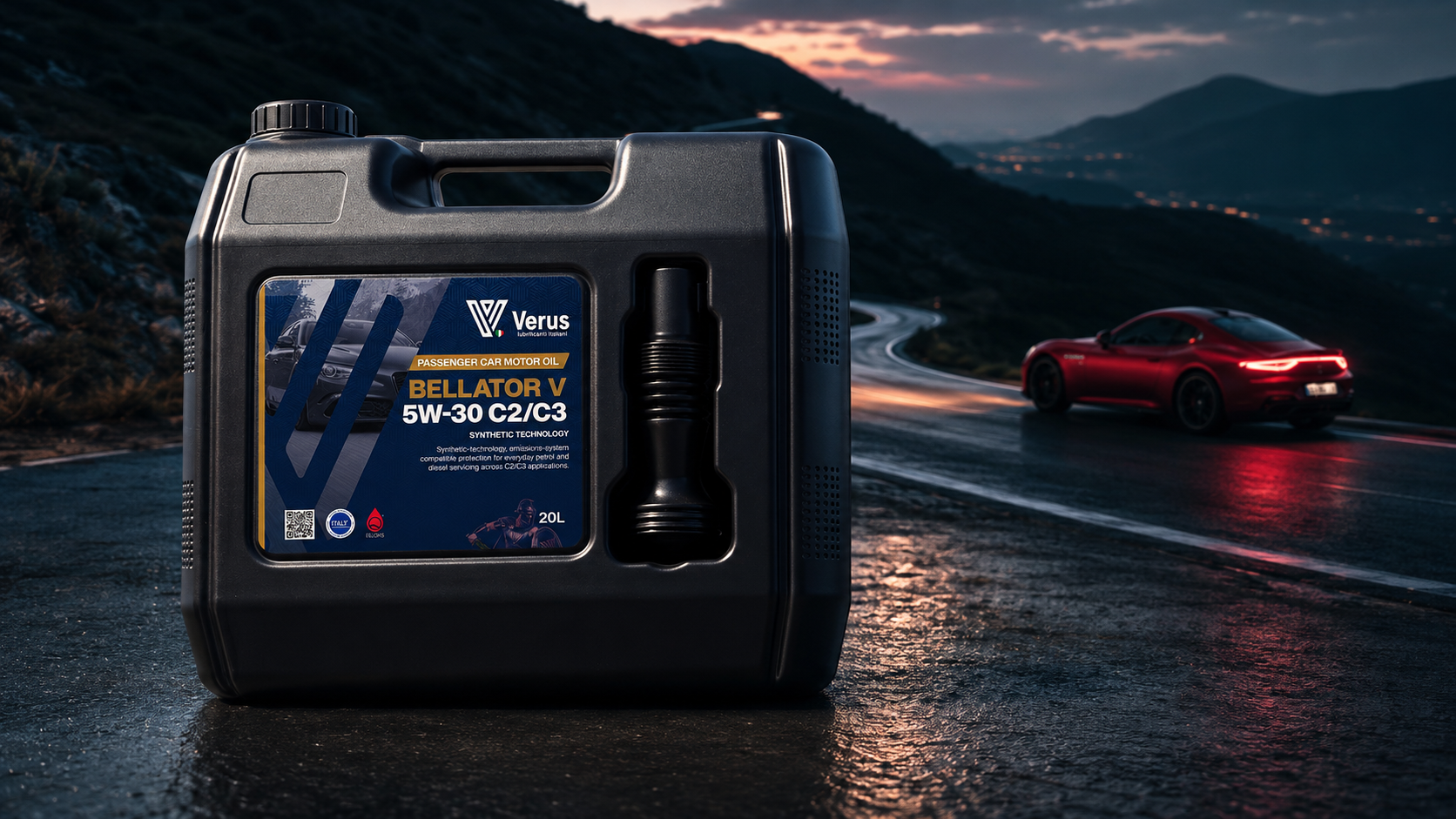
EELQMS covers automotive engine lubricants making claims against the ACEA sequences, and nothing else. In the Verus range that's Bellator, the passenger car line.
EELQMS is also not an OEM approval; it's a conformance and surveillance system.
Two 5W-30s can read identically on a spec sheet. The SAIL register is public, so a distributor can check which of them is in the system.
Keep reading

Contact us
Contact us for product enquiries, technical support or partnership opportunities.